Budget Home Improvement: Where to Spend and Where to Save
Budget home improvement works best in a fixed order: repair anything unsafe or leaking first, then spend on the rooms you use most, then add cheap cosmetic upgrades, and only then save for big projects. Under $100 you can paint, re-caulk and seal drafts yourself. Large jobs such as garage doors and electrical work usually need a professional.
Budget home improvement is the practice of getting the most comfort, function and appearance from every dollar, usually by doing the right projects in the right order. This hub explains how to decide, then sends you to a guide for each type of project.
How do you decide what to do first with a small budget?
Fix what is unsafe or damaging first, then improve the rooms you use daily, then add cosmetic upgrades. Following that order keeps a pretty room from hiding a leak.
- Repairs and safety. Water leaks, damaged wiring, rotten wood and broken locks come first because they get more expensive the longer you wait. Our beginner guide to DIY home repair covers the fixes most homeowners can handle.
- High-use rooms. Spend where you spend time: the kitchen, bathroom, entry and main living area.
- Cheap cosmetic changes. Paint, caulk, hardware and lighting change how a room feels for little money.
- Big projects last. Save for these, and price them with a contractor before you commit.
Write each project down with a cost, a time estimate and a skill level. Add a contingency to the total, because older houses often hide problems behind walls. If the number is too high, phase the work.
Where does a small budget go furthest?
A small budget goes furthest on paint, sealing, small fixtures and exterior touches. The table at the top of this page lines up the main project types by cost, difficulty and payoff.
Two patterns stand out in the data. First, exterior replacement projects lead the 2025 Cost vs. Value report: eight of the top ten are exterior jobs, and the report links this partly to buyers favoring good-looking exteriors. Second, big interior remodels recoup less of their cost at sale, and the report notes they still add value for the people living in the house. A bathroom you enjoy for ten years can be worth it even at an 80% recoup rate.
Cost vs. Value is a hired-contractor cost model, so DIY costs can be lower. Resale values are estimates from a survey of more than 6,000 Realtors, not sale records.
Should you DIY or hire a pro?
DIY the cosmetic and low-risk jobs, and hire licensed professionals for electrical, gas, structural and spring-loaded work. A cheap mistake on paint costs a weekend. A cheap mistake on a breaker panel can cost a life.
Use this quick test before you buy materials:
- Can a mistake hurt someone? If yes (electrical, gas, ladders on a roof, garage door springs), hire out or follow the limits in our guide to what you can and cannot do yourself with electrical work.
- Do you need a permit? Many cities require permits for electrical, plumbing and structural changes. Call your local building department.
- Can you undo a mistake cheaply? Paint and hardware can be redone. Cut tile and wrong-sized doors cannot.
- Do you own the tools? Buying a tool for one job can erase the savings. See what a starter kit really needs in our home repair tool kit guide.
The garage door industry association DASMA says installing a garage door can be very dangerous and is not recommended for a novice, and that spring systems should be repaired only by trained professionals.
Two safety notes apply to many budget jobs. If your home was built before 1978, the EPA warns that renovation, repair or painting work can easily create dangerous lead dust, so use lead-safe practices or hire a certified contractor. And if you will dig even a few inches (a mailbox post, a fence, a tree), call 811 first; the service is free.
What can you do in a weekend for under $100?
You can paint a room, re-caulk a tub, swap cabinet hardware, seal drafts and update your lighting for under $100 each. These small jobs are the best way to build skills and see results fast.
Our guide to weekend DIY projects under $100 lists 15 of them with time estimates and safety notes. Some of these also pay you back through lower bills: the U.S. Department of Energy says sealing uncontrolled air leaks can save 10% to 20% on heating and cooling, and the EPA says a WaterSense showerhead (2.0 gallons per minute or less, against 2.5 for standard) can save the average family 2,700 gallons of water a year.
How do affordable home upgrades work at $100, $500 and $1,500?
Tiered budgets help you pick the biggest visible change for each spending level. Affordable home upgrades sorted by budget tier shows what each step up buys you, so you do not spend $500 on something a $50 fix would have handled.
How do you plan a budget renovation?
A good budget renovation starts with a written scope, a total cap and a contingency line. Our guide to planning a budget renovation walks through setting the budget, deciding where to save or splurge, comparing DIY with hiring out, and checking permits before you start.
Which projects give the best return?
The best documented returns come from exterior replacements: in the 2025 Cost vs. Value report, a garage door recouped 268% of its cost, a steel entry door 216% and manufactured stone veneer 208%. The details, and which of those three you can realistically do yourself, are in home improvement projects with the best return.
Remember that “return” here means resale value, and that a project can be worth doing for reasons a sale price does not capture.
How do you refresh a kitchen on a tight budget?
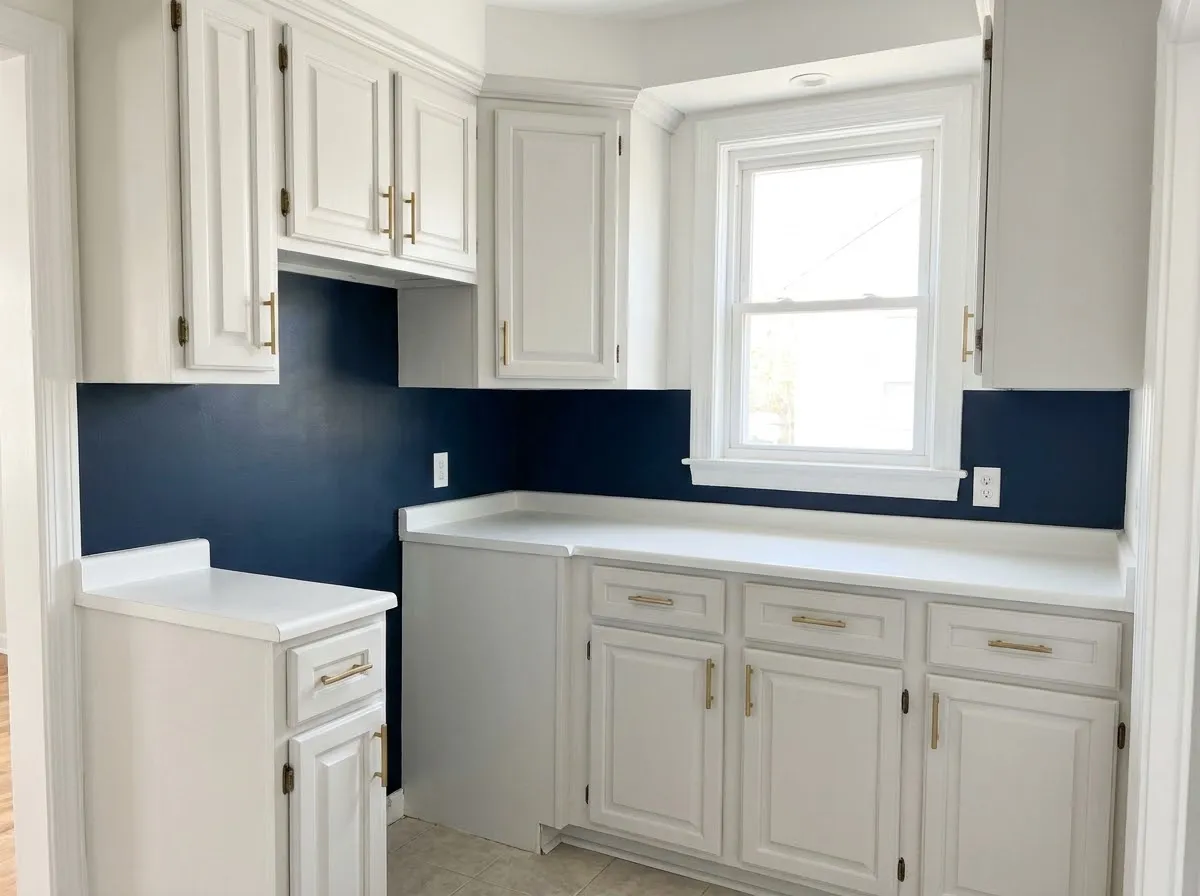
Start with the parts people see and touch: paint or refinish cabinets, change hardware, upgrade lighting and add a backsplash. In the Cost vs. Value report, a midrange minor kitchen remodel recouped 113% of its cost while a major midrange remodel recouped 51%, which is the case for staying small. Our budget kitchen makeover guide breaks the work into budget tiers.
What bathroom upgrades can you finish in a day?
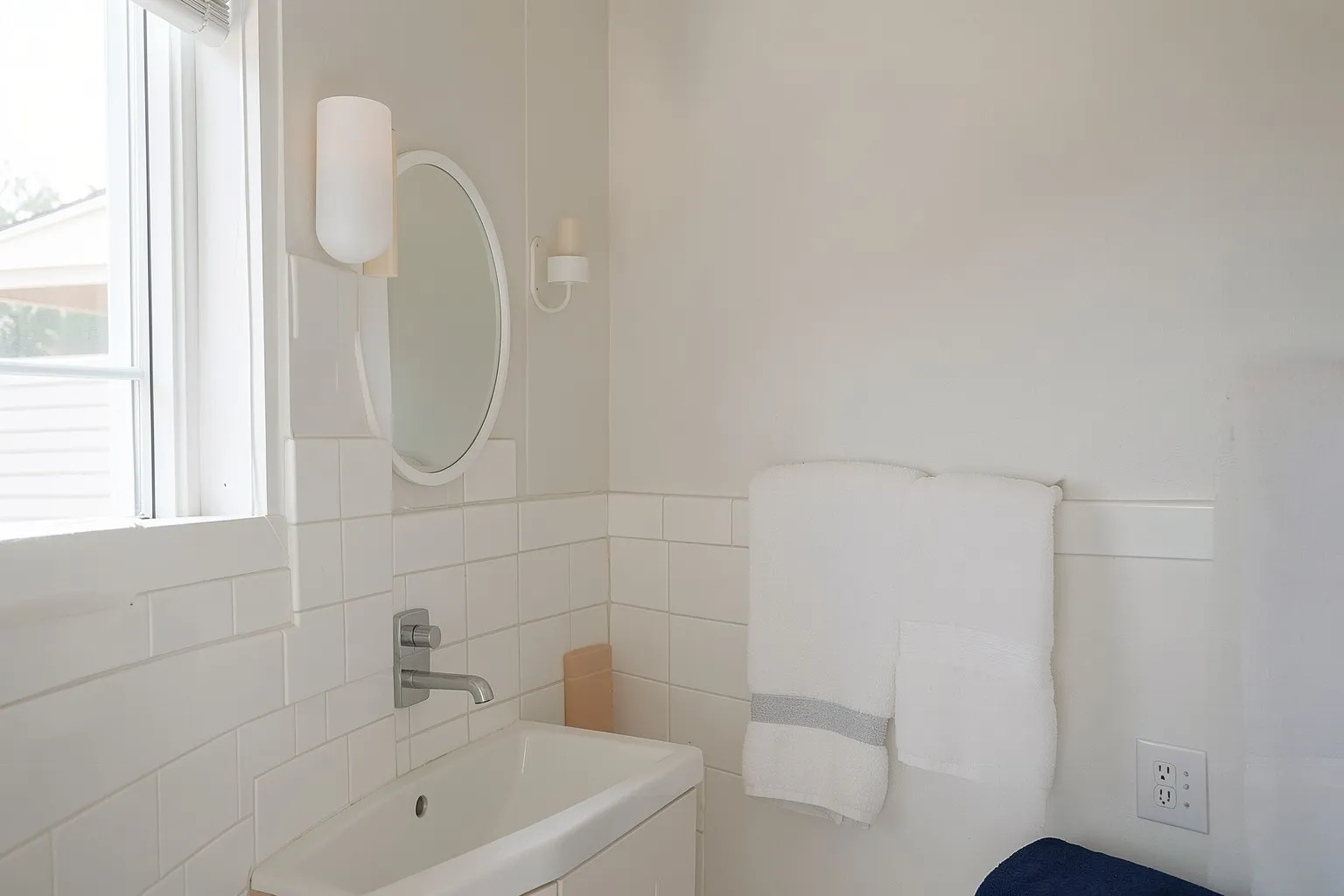
Re-caulking, a new showerhead, new hardware, a mirror, better lighting and fresh paint all fit in a day. One-day bathroom upgrades you can DIY lists them in a sensible order. Leave plumbing changes behind walls and any new electrical circuits to licensed professionals.
How do you boost curb appeal cheaply?
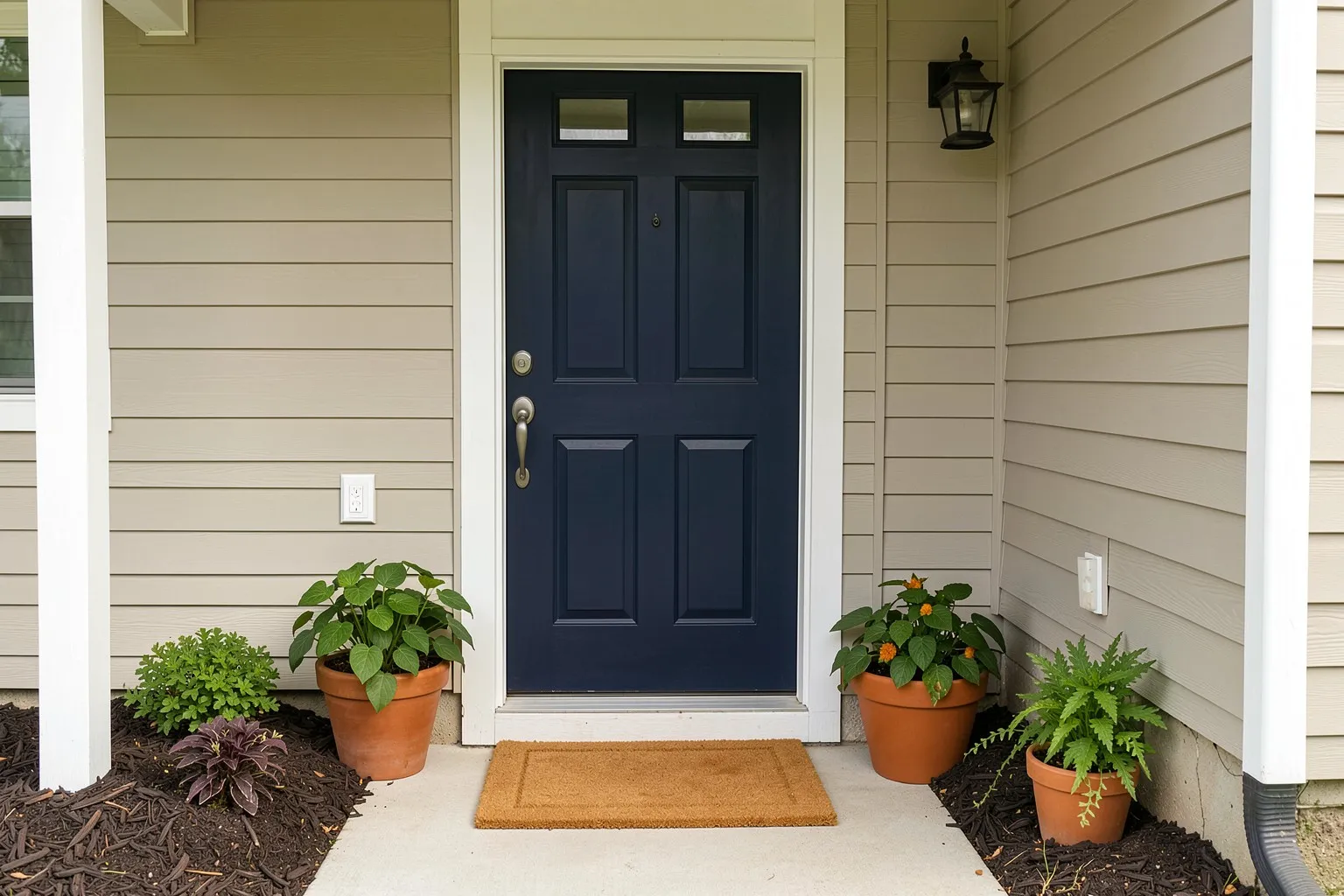
Focus on the front door, house numbers, lighting, a tidy entry and planting. Curb appeal matters because the exterior is the first thing a buyer sees, and Cost vs. Value results favor exterior work. Our list of cheap curb appeal ideas list gives 15 options with the order to do them in.
Where do repairs and electrical work fit in?
Repairs belong at the front of your budget, and electrical work belongs at the edge of your skills. These two hubs cover the rest of the site:
- DIY home repair: the repairs and tools every homeowner should know.
- DIY electrical basics: the small jobs that are reasonable for a careful beginner and the limits where you call a licensed electrician.
Three guides and calculators help you price a job before you start: how many tiles and boxes to buy, whether DIY really beats a pro quote (with a compare your own numbers), and the planner that adds the contingency.
Where should you spend and where should you save?
Spend on safety, water protection and the surfaces people touch every day. Save on anything you can redo cheaply, and on trends.
- Spend: roof and leak repairs, working locks and smoke alarms, a quality exterior paint, and any job where a pro’s skill protects your safety.
- Save: decorative accessories, trendy finishes, tools you will use once, and extras that a bigger project adds without improving how the house works.
- Stage the rest: do the visible 20% of a room first and wait on the rest until you can afford it properly.
Keep every receipt and a short project log. It helps when you sell, when you claim a warranty, and when you plan the next stage.
How do you phase a budget renovation over a year?
Split the work into stages that each leave the house in a finished, usable state. That way a stalled budget never leaves you with a torn-up room.
- Stage 1: stop damage and save energy. Fix leaks, seal drafts and swap in LED bulbs. The Department of Energy’s guide puts air sealing first and says to consider adding insulation after air sealing is complete.
- Stage 2: the rooms you use daily. Paint, re-caulk, update hardware and improve lighting in the kitchen, bathroom and entry.
- Stage 3: the exterior. Clean up the front door, house numbers and planting. The Cost vs. Value results favor exterior work, and it is the first thing visitors and buyers see.
- Stage 4: save for one larger project. Get at least three written bids, and compare them with the average job costs in the Cost vs. Value report as a sanity check.
Finish each stage before you start the next, and write down what you spent. A running tally tells you early if a project is drifting over budget.
How much contingency should you add?
Add a contingency line to every project, and size it to the age and condition of the house and the risk of the job. We could not find a published rule of thumb from a government or standards body, so we do not give a single percentage.
Use these guidelines instead:
- Cosmetic jobs in a newer home hide little, so a small buffer for extra supplies is usually enough.
- Anything that opens a wall, floor or ceiling can reveal rot, old wiring or plumbing problems, so keep a larger buffer.
- Anything you have never done before deserves extra for mistakes and a second trip to the store.
- Anything with a permit may require corrections after inspection.
Keep the contingency separate from the budget for the work itself, and spend it only on real surprises, not on upgrades.
What are the most common budget renovation mistakes?
The most common mistakes are starting without a written scope, skipping prep, and buying tools or materials before measuring. Each one turns a cheap job into an expensive one.
- No scope or total. Without a written list and a cap, small purchases add up unnoticed.
- Cosmetic work over a problem. Painting over water stains or caulking over a leak hides damage that keeps growing.
- Ignoring old paint. In a pre-1978 home, disturbing old paint can spread lead dust. The EPA advises lead-safe practices for DIYers.
- Doing risky jobs to save money. Electrical panel work, gas lines and garage door springs are where the saving is smallest and the risk is largest.
- Skipping the call before you dig. 811 is free, and hitting a buried line is expensive and dangerous.
- Buying tools for one job. Rent or borrow, or buy only what your starter kit needs.
Can renters do budget home improvement?
Yes, renters can improve a home on a budget by choosing reversible changes and getting the landlord’s approval in writing. Good options are LED bulbs, a WaterSense showerhead (keep the original to put back), new cabinet hardware (keep the old pieces), peel-and-stick backsplash, container plants and removable hooks.
Skip painting, shelving that needs anchors, and fixture changes unless the lease or the landlord allows it. For ideas ranked by time and spend, see our list of weekend projects under $100. Also remember that the EPA’s lead rule treats a home you rent out differently from your own home: the exemption for DIY homeowners does not cover homeowners who rent all or part of the home.
Does a budget improvement need a permit?
Cosmetic work such as painting, hardware swaps and shelves usually does not need a permit, but electrical, plumbing, structural and some exterior work often does. Rules differ by city and county, so we do not give a universal list.
Call your local building department before you start, and ask these questions:
- Does this job need a permit, and who can pull it (you, or only a licensed contractor)?
- Which inspections are required, and when?
- Are there rules for fences, decks, doors or exterior changes, including from a homeowners association?
Unpermitted work can cause trouble when you sell or file an insurance claim, so ask first. For electrical jobs in particular, read the limits in DIY electrical basics before you buy parts.
| Project type | Typical cost | DIY difficulty | Payoff |
|---|---|---|---|
| Paint, caulk, cabinet hardware, shelves | Under $100 for one room or area (our planning target) | Beginner | Looks and daily comfort; Realtors often recommend paint before listing (NAR 2025) |
| LED bulbs, weatherstripping, WaterSense showerhead | Under $100 for a typical home (our planning target) | Beginner | Lower bills: 10% to 20% from sealing leaks, 2,700 gallons of water a year from a showerhead (DOE, EPA) |
| Steel entry door replacement | $2,435 average job cost (Zonda 2025) | Intermediate | 216% of cost recouped (Zonda); 100% in the NAR/NARI survey |
| Garage door replacement | $4,672 average job cost (Zonda 2025) | Hire a pro for springs and installation | 268% of cost recouped (Zonda) |
| Minor kitchen remodel, midrange | $28,458 average job cost (Zonda 2025) | Mixed: paint and hardware are DIY, the rest often is not | 113% of cost recouped (Zonda) |
| Bath remodel, midrange | $26,138 average job cost (Zonda 2025) | Mixed; plumbing and electrical need a pro | 80% of cost recouped (Zonda) |
| Major kitchen remodel, midrange | $82,793 average job cost (Zonda 2025) | Hire a pro | 51% of cost recouped (Zonda) |
With under $100, buy paint, caulk, hardware and draft sealing. With a few thousand dollars, a steel entry door is the best-documented exterior upgrade. Treat full kitchen and bath remodels as quality-of-life spending, not investments you will get back at sale.
All Budget Upgrades guides
Budget Projects
- 15 Weekend DIY Projects Under $100 That Improve Your Home
Fifteen weekend DIY projects under $100, each with a time estimate, skill level and safety note, plus what actually saves money or helps resale.
- Affordable Home Upgrades by Budget: $100, $500 and $1,500 Ideas
Affordable home upgrades sorted by budget: what $100, $500 and $1,500 buys, with cost ranges, time, skill level and a comparison table.
- DIY Bathroom Upgrades You Can Finish in a Single Day
Six DIY bathroom upgrades you can finish in one day: recaulk, faucet and showerhead, vanity hardware, mirror, light fixture and paint, with safety notes.
- DIY vs Hiring a Pro: When Doing It Yourself Actually Saves Money
Is DIY cheaper than hiring a pro? Count tools, time and mistakes, find your break-even hourly value, and see which jobs rarely pay off and which do.
Home Upgrades
- Budget Renovation Tips: How to Plan, Save and Avoid Overspending
Budget renovation tips for setting a budget, adding a contingency, choosing what to save or splurge on, deciding DIY versus pro, and permits.
- Home Improvement Projects With the Best Return in 2025 Data
See the home improvement projects with the best return in the 2025 Cost vs. Value report, what each costs, and which ones a DIYer can safely tackle.
- Tile Calculator: How Many Tiles and Boxes for Floor, Wall or Backsplash
Work out how many tiles and boxes a floor, wall or backsplash needs: area formula, grout joint, waste by pattern, thinset coverage and a worked example.
Exterior
- 15 Cheap Curb Appeal Ideas With Costs and Time Estimates
15 cheap curb appeal ideas with cost ranges and time for each, from a painted front door to mulch and lighting, plus the order to do them in.
Kitchen
- Budget Kitchen Makeover: Ideas by Budget Tier
Plan a budget kitchen makeover by tier, from paint and hardware to lighting and backsplash, with a paint vs reface vs replace cabinet comparison.
Questions and answers
What is the best way to start a home improvement project on a small budget?
Start with repairs, then cosmetic work in the rooms you use most. Fix leaks, safety issues and anything that will get worse if ignored, because those cost more later. Next, paint, re-caulk and update hardware in the rooms where you spend your time. Set a total budget and a contingency before you buy anything, and finish one project before starting the next.
What home improvements add the most value for the least money?
Paint, a steel entry door and curb appeal work offer the best documented value for the cost. In the NAR and NARI 2025 report, a new steel front door had the highest cost recovery at 100%, and Realtors often recommend painting before listing. Value depends on your market, and these figures are professional estimates, so treat them as guides, not guarantees.
Is it cheaper to DIY home improvement projects?
DIY usually saves the labor part of a job, but only when you can do it safely and correctly. Cosmetic jobs such as painting, caulking and hardware swaps are good DIY choices. Electrical, gas, structural and garage door spring work carry real risk, and a mistake can cost more than hiring a licensed professional. Rent or borrow tools you will use once.
How much should I budget for home improvements?
Set the amount from what you can pay in cash, not from a percentage rule. List each project with a realistic cost, then add a contingency for surprises, because older homes often hide problems behind walls. If the total is too high, phase the work over several months and complete the repairs before the cosmetic upgrades.
Do small DIY upgrades increase home value?
Small upgrades can help a home sell, but no source we found gives a dollar value for a $100 project. The strongest evidence is indirect. Realtors recommend painting before listing, and the Cost vs. Value report shows exterior projects returning more than interior remodels. Small upgrades also improve how the home feels to live in, which is a return in itself.
Which home improvements should I never DIY?
Leave electrical panel work, gas lines, structural changes and garage door springs to licensed professionals. These jobs can cause fire, injury or collapse, and many areas require permits and inspections. Garage door makers' association DASMA says spring systems should be repaired only by trained professionals. When in doubt, get a quote and compare it with the risk.
Should I fix up my house before selling it?
Fix visible problems and refresh paint and the front entry, but skip large remodels you will not recover. Cost vs. Value data show big interior remodels recoup far less than their cost at sale, while exterior replacements recoup more. Ask a local real estate agent which updates buyers in your area expect before you spend.
Our sources
- Zonda Cost vs. Value 2025: national averages (Remodeling / JLC) (jlconline.com)
- Zonda Cost vs. Value 2025: methodology (jlconline.com)
- 2025 Cost vs. Value Report: Key Trends (JLC) (jlconline.com)
- NAR and NARI 2025 Remodeling Impact Report highlights (nar.realtor)
- U.S. Department of Energy, Tips on Saving Money and Energy in Your Home (energy.gov)
- EPA WaterSense: Showerheads (epa.gov)
- EPA Renovation, Repair and Painting Program (epa.gov)
- DASMA garage door systems safety tips (dasma.com)
- 811 Before You Dig (811beforeyoudig.com)
Related reading
- DIY vs Hiring a Pro: When Doing It Yourself Actually Saves Money
Is DIY cheaper than hiring a pro? Count tools, time and mistakes, find your break-even hourly value, and see which jobs rarely pay off and which do.
- Tile Calculator: How Many Tiles and Boxes for Floor, Wall or Backsplash
Work out how many tiles and boxes a floor, wall or backsplash needs: area formula, grout joint, waste by pattern, thinset coverage and a worked example.
- Affordable Home Upgrades by Budget: $100, $500 and $1,500 Ideas
Affordable home upgrades sorted by budget: what $100, $500 and $1,500 buys, with cost ranges, time, skill level and a comparison table.
- Budget Renovation Tips: How to Plan, Save and Avoid Overspending
Budget renovation tips for setting a budget, adding a contingency, choosing what to save or splurge on, deciding DIY versus pro, and permits.
- Budget Kitchen Makeover: Ideas by Budget Tier
Plan a budget kitchen makeover by tier, from paint and hardware to lighting and backsplash, with a paint vs reface vs replace cabinet comparison.
- 15 Cheap Curb Appeal Ideas With Costs and Time Estimates
15 cheap curb appeal ideas with cost ranges and time for each, from a painted front door to mulch and lighting, plus the order to do them in.