Budget Renovation Tips: How to Plan, Save and Avoid Overspending
The best budget renovation tip is to plan before you buy: set a total you can afford, price every line, and hold back 10 to 20 percent for surprises. Spend on what is hard to redo, such as waterproofing, wiring and structure, and save on finishes you can change later. Do low-risk finish work yourself and hire licensed pros for electrical, gas and structural jobs.
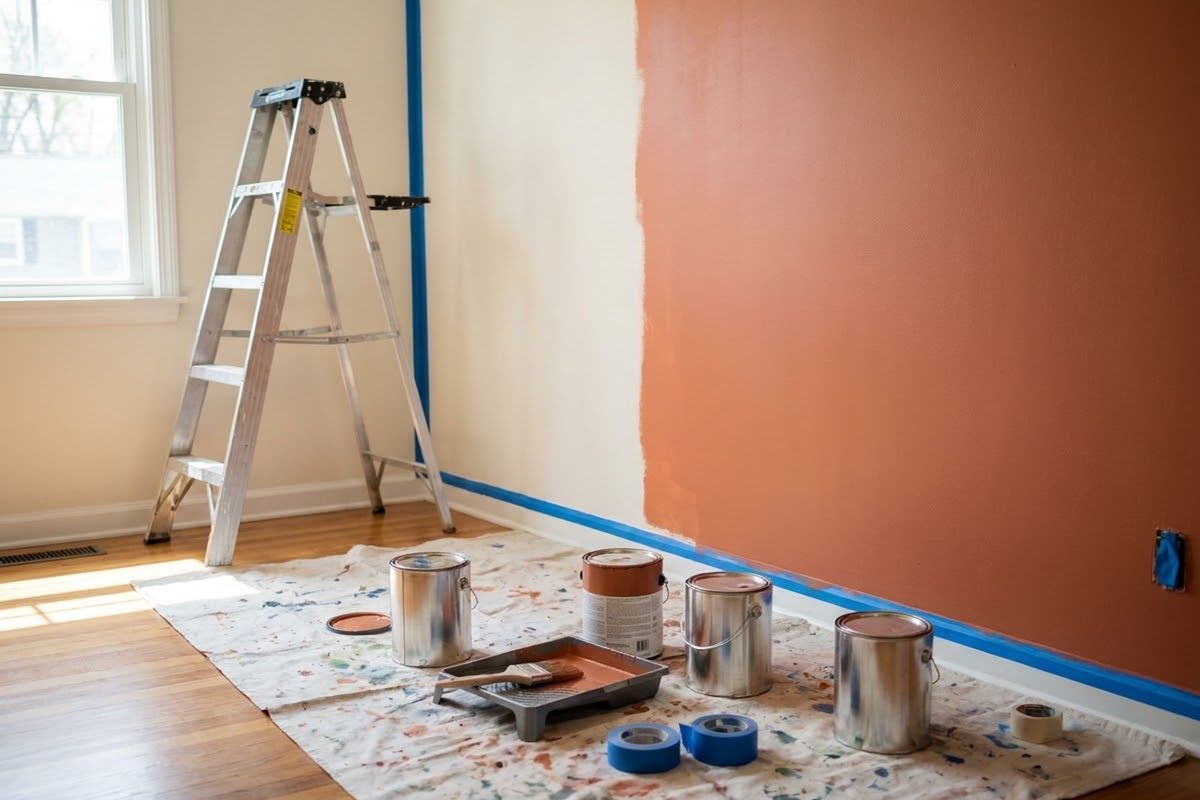
From the guide: Budget Home Improvement: Where to Spend and Where to Save
How do you set a renovation budget?
A renovation budget is a written total with every project priced inside it, plus a reserve for surprises. Set it before you shop, because the budget is a design tool: it tells you what to cut. This guide covers planning and money. For the wider picture, see guide to budget home improvement, and for specific ideas by price, see affordable home upgrades by budget tier.
Use these steps:
- Pick the total first. Choose a number you can pay from savings or at a loan cost you accept. Do not set the budget from a wish list.
- List every project and price it. Use local store prices for materials and written bids for any labor.
- Add tools, rentals, disposal and permits. These are the lines people forget.
- Add a contingency (next section). The planner on our tools page adds your lines and the contingency for you.
- Rank projects. Mark each as must-do (safety, leaks, code), should-do (daily use) or nice-to-have. Cut from the bottom.
- Track every receipt in one spreadsheet or notebook against your list.
How much contingency should you hold back?
Hold back 10% to 20% of the project cost: about 10% for mostly cosmetic work and 15% to 20% when you open walls or touch plumbing, wiring or structure. Contingency is cash for problems you cannot see yet, such as rot behind a vanity or an outdated panel.
There is an institutional benchmark for this range. HUD’s FHA 203(k) renovation loan requires a contingency reserve of at least 10% for structures 30 years or older, raises the minimum to 15% when utilities are not operable, and caps the reserve at 20%. HUD describes the reserve as funds set aside to cover unforeseen project costs. That is a lending rule, not a rule for your project, but it shows how professionals treat older homes.
Keep the money separate. If you finish with contingency left, treat it as your upgrade fund, and do not add scope in the middle of the job.
What should you save on, and what should you splurge on?
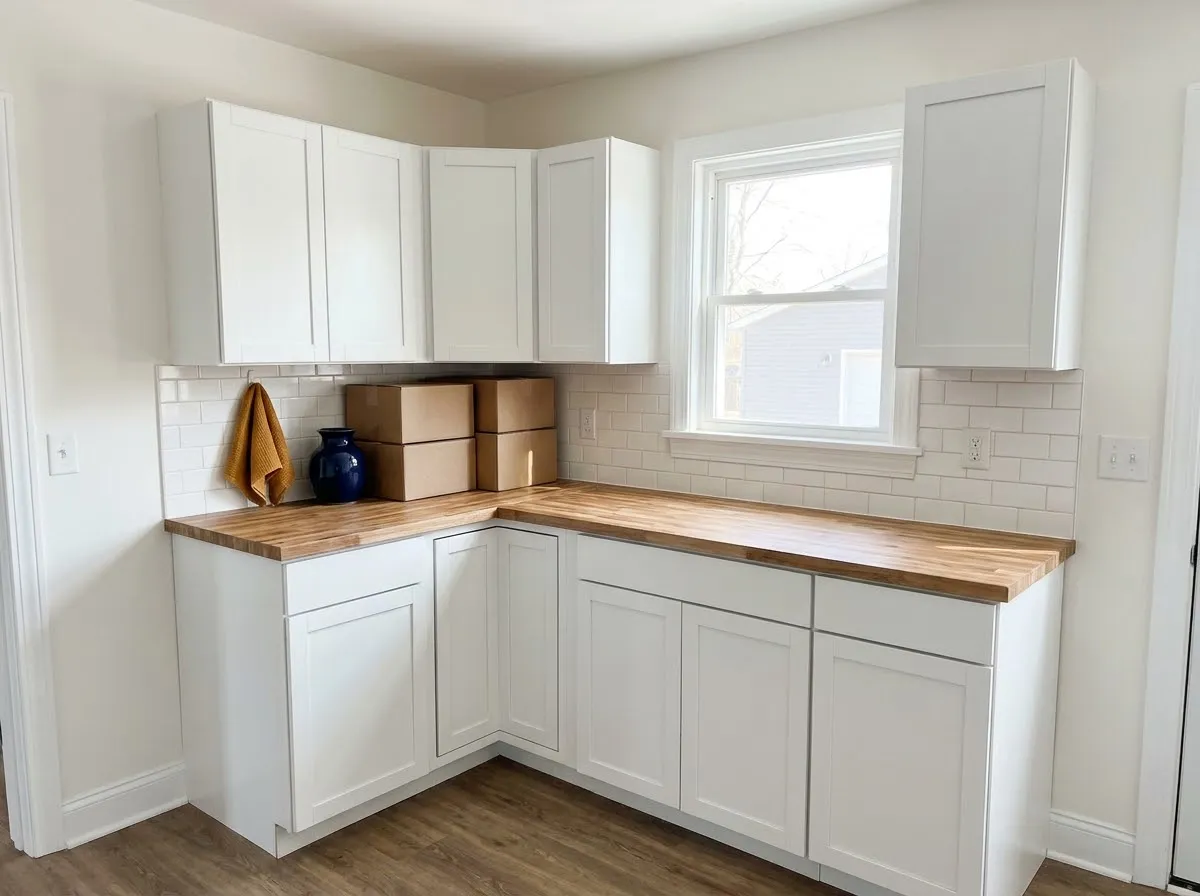
Splurge on what is hard to redo or affects safety and durability, and save on what you can swap in a weekend. Ask of each item: could I replace this later for under $200 in a day?
Spend more on
- Water protection: flashing, sealants, waterproofing in showers, a working bath fan.
- Safety and systems: wiring, plumbing and structure done by licensed pros.
- Daily-touch items: a good faucet, flooring underlayment, a drill you will use for years.
- Prep and primer. They decide how a finish looks and lasts.
Save on
- Paint colors, hardware and light fixtures. They are easy to change.
- Decor, rugs and furniture, which can be bought secondhand.
- Trendy finishes that will date.
Do not save by skipping prep or buying bargain caulk. Redoing a job costs more than the difference.
Which projects are not worth it at resale?
Many large projects return less than they cost, so only do them for use or necessity. In the 2025 Cost vs. Value report, a wood deck addition averaged $18,263 and recouped 95%, a composite deck $25,096 and 89%, and vinyl siding replacement $17,950 and 97%. A midrange minor kitchen remodel averaged $28,458 and recouped 113%.
These are national averages, and your market may differ. If resale drives your plan, read the breakdown of the highest-return DIY projects. If you are staying, spend on what improves daily life.
Should you DIY or hire a pro?
DIY saves labor cost on low-risk finish work, and a pro is the right call when mistakes are unsafe, expensive to reverse or require a permit. Compare in writing before deciding.
Good DIY jobs for beginners
Painting, caulking, hardware swaps, shelving, peel-and-stick tile, weatherstripping and simple landscaping. Starter ideas are in the list of weekend projects under $100.
Hire a licensed pro for
- Electrical beyond a like-for-like swap, including new circuits and panels. See when to call an electrician.
- Gas lines and appliances.
- Structural changes, such as removing a load-bearing wall.
- Roofing work at height, and anything needing a permit and inspection.
A quick DIY-versus-pro check
- Total DIY cost: materials + tools you need to buy + rentals + disposal.
- Count your hours and a fair value for them, and the days the room is out of use.
- Get at least two written bids that list scope, materials and what happens if hidden damage appears.
- Ask what happens if you make a mistake: can you fix it, or does it need a pro to undo?
Many pros will do the hard part and let you do the finish. For example, a plumber sets the fixtures and you paint and tile. To run the numbers, use the savings calculator and read when DIY actually saves money.
Do you need a permit?
Often not for finish work, often yes for electrical, plumbing, gas and structural work. The model International Residential Code (R105.2) lists work that does not need a building permit, including painting, papering, tiling, carpeting, cabinets, countertops and similar finish work, fences not over 7 feet high, sidewalks and driveways, and small detached accessory structures up to 200 square feet.
The same section says an exemption never authorizes work that violates the code or other local laws. Your city or county adopts its own version, and many change the limits, so a local fence may be capped at 6 feet. Electrical work has its own permit rules.
Call your building department with a short description of the job. If you rent, get your landlord’s written approval. If you have an HOA, ask about exterior and paint rules. Unpermitted work can cause problems at resale or with insurance.
What should you check in older homes?
Homes built before 1978 may have lead-based paint, so test before you sand or scrape. EPA’s rule requires lead-safe work by paid contractors in these homes. It generally does not cover homeowners working on their own home, but EPA recommends lead-safe practices anyway, and the rule does apply if you rent part of the home or renovate to sell for profit.
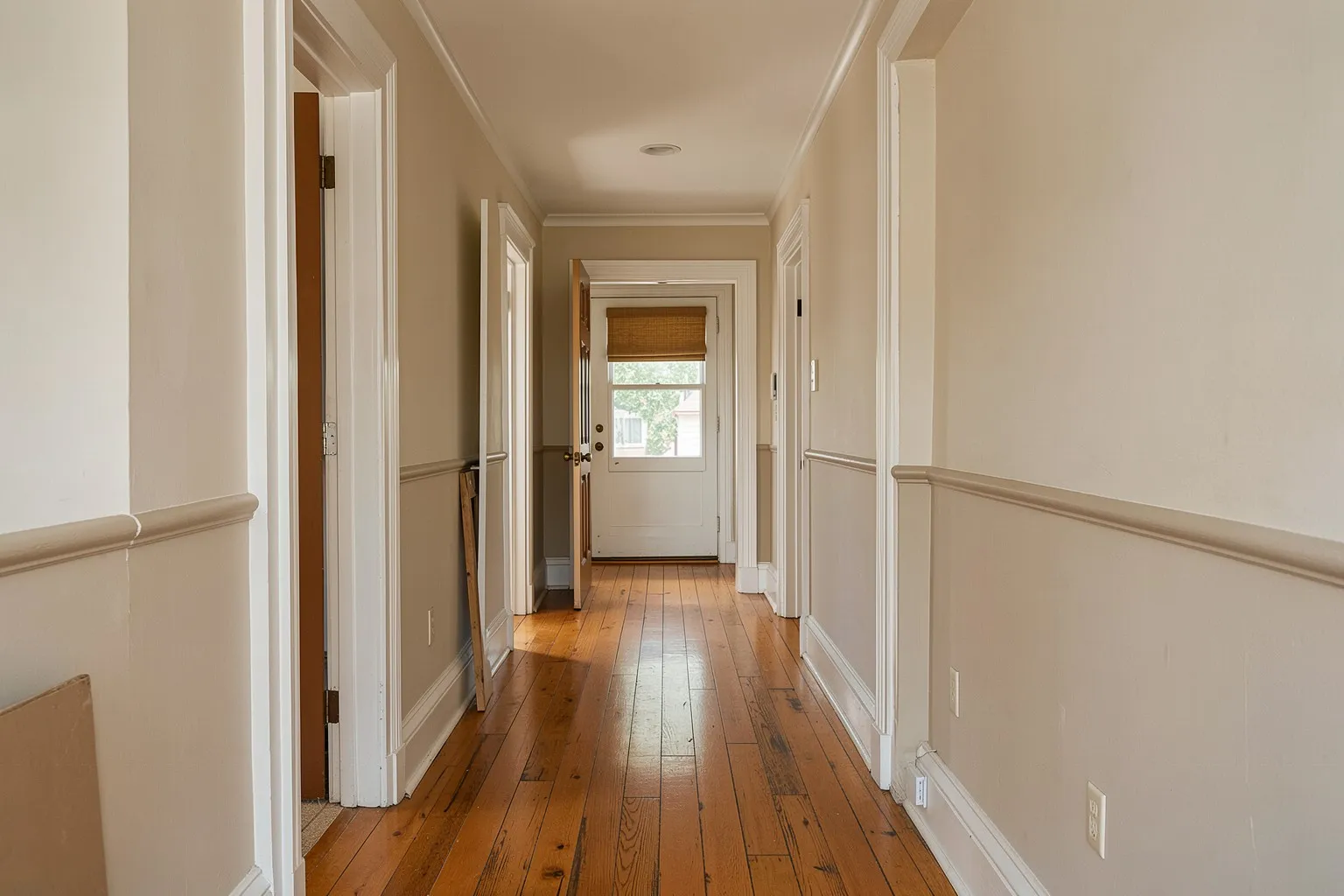
Older homes can also hide asbestos materials or outdated wiring. Stop and get a professional assessment if you find suspect material.
How do you get and compare contractor quotes?
Get at least two or three written estimates for the same scope, then compare line by line. The CFPB advises written estimates from two or three contractors, references from past customers, and a license number you verify with your state contractor board.
Use this checklist:
- Check credentials. Verify the license, ask for proof of general liability insurance and workers’ compensation, and check complaints with your state licensing board and attorney general’s office.
- Write the scope. Every bid should list tasks, materials (brand and quantity), who pulls permits, start and finish dates, the total price and the payment schedule.
- Ask why prices differ. A very low bid may leave out items. Do not choose on price alone.
- Sign before work starts. Get the contract, guarantees and warranties in writing, including verbal promises.
- Pay safely. Get a receipt for each payment, avoid cash and large upfront payments, and hold the final payment until you are satisfied.
- Handle changes in writing. Use written change orders, and draw on contingency, not the base price.
Be wary of anyone who approaches you door to door, cannot show ID or contact details, or pressures you to decide today.
How should you finance a renovation?
Pay from savings when you can, because borrowing adds interest and risk. If you must borrow, compare the annual percentage rate, fees and monthly payment, and borrow only what the plan needs plus contingency.
The CFPB explains that a home equity line of credit (HELOC) is a revolving line secured by your home, so you could lose your home if you cannot repay. Most HELOCs have variable rates, so payments can change, and the repayment period after the draw period can bring much higher payments. A home equity loan is usually a fixed amount at a fixed rate. A personal loan or line of credit is not secured by your home but may have a higher rate. Credit cards suit only small amounts you can pay off quickly.
Avoid financing cosmetic upgrades with debt that outlasts the upgrade. Paint that is paid off in six months is very different from a 15-year loan for a fad finish.
What criteria decide DIY versus pro?
Choose DIY when the job is low-risk, you have the time, and a mistake is cheap to fix. Choose a pro when a mistake could hurt someone, damage the structure or fail inspection. Score each job on five questions:
- Safety: could a mistake cause shock, fire, gas leak, fall or collapse? If yes, hire a licensed pro.
- Permit: does the work need a permit or inspection? If yes, a licensed pro usually pulls it.
- Reversibility: can you redo it for under $200? If not, think harder.
- Skill and tools: do you have both, or can you learn on a small job first?
- Time: can you finish in the time the household will tolerate without a kitchen or a bathroom?
How do you avoid the most common budget mistakes?
Most overruns come from a few repeat errors:
- No written scope. Say exactly what is included.
- Starting before pricing. Price all lines first.
- Ignoring waste. Order 10% extra of tile, flooring and trim where cuts are needed; leftover can be returned if unopened.
- Changing the plan mid-job. Route changes through the contingency fund and decide deliberately.
- Doing too much at once. Finish one room before starting the next.
For kitchen-specific planning, see the guide to a kitchen makeover on a budget.
Questions and answers
How do I set a budget for a renovation?
Start with what you can pay without borrowing at a rate you cannot afford, then work backward. Set a total, list every project, price materials from local stores, add labor for anything you will hire, and add a contingency. If the list exceeds the total, remove the lowest-impact projects instead of shrinking quality on all of them. Write the number down and track each receipt against it.
How much contingency should I add to a renovation budget?
Plan on 10% to 20%. HUD requires at least 10% on FHA 203(k) renovation loans for homes 30 years or older (15% if utilities are not working) and caps the reserve at 20%. Use about 10% for mostly cosmetic work and 15-20% when you open walls or touch plumbing, wiring or structure. Keep it separate, and spend it only on unplanned costs rather than upgrades.
What should I save on and what should I splurge on?
Splurge on what is hard to redo or affects safety and durability: waterproofing, wiring, plumbing, structure, windows and the tools you use constantly. Save on what is easy to change later: paint colors, cabinet hardware, light fixtures, decor and rugs. A good test is whether you could swap it in a weekend for under $200. If you can, buy the cheaper version first.
Is it cheaper to DIY or hire a pro?
DIY is usually cheaper for finish work because labor is a large part of a contractor's price, but it costs your time and the risk of mistakes. Pros are faster and carry licenses and insurance, which matters for electrical, gas and structural work. Compare materials plus tools plus your hours against a written bid. Hire out any job that needs a permit or inspection.
Do I need a permit for a home renovation?
It depends on your city or county. The model residential code (IRC R105.2) exempts finish work such as painting, tiling, carpeting, cabinets and countertops, and small items like fences up to 7 feet, while electrical, plumbing, structural changes and additions generally need permits. Local rules differ, and an exemption never allows code violations. Call your building department before you start, and ask whether an HOA also needs to approve.
Which home improvements are not worth the money?
Projects that cost more than they return at resale are the weakest purchases if resale is your goal. In the 2025 Cost vs. Value report, a composite deck addition recouped 89% of its cost, a wood deck 95% and vinyl siding replacement 97%. Choose these only for use or necessity. Many returns vary by region, so check local sale prices with an agent.
How can I save money on materials?
Buy only what you measured, and compare unit prices rather than package prices. Ask about contractor or open-box discounts, check for leftover and returned paint, and buy matching quantities from one batch for paint and flooring. Reuse what is sound, such as cabinet boxes and trim, and replace only the surfaces. Keep receipts, since unopened items can often be returned.
How do I get and compare contractor quotes?
Get written estimates from at least two or three licensed contractors, using the same scope for each. Ask for the license number and verify it with your state board, ask for proof of liability insurance and workers' compensation, and ask for references. Compare line by line, not only the total, and ask why prices differ. Do not pay in cash or pay a large amount before a signed contract.
How should I pay for a renovation?
Pay with savings when you can. If you borrow, know that a home equity line of credit (HELOC) is secured by your home, so you could lose the home if you cannot repay, and most HELOC rates are variable. A fixed-amount home equity loan or a personal loan has different tradeoffs. Compare the annual percentage rate, fees and monthly payment, and borrow only what your plan needs.
Should I renovate before I sell?
Fix defects and refresh cosmetics before selling, but skip big remodels unless a local agent expects them to pay back. Published data shows many large projects recoup less than they cost. Paint, deep cleaning, repairs and a tidy exterior cost little and help listings show well. Ask a local agent which updates buyers in your price range expect.
Our sources
- Cost vs. Value Report 2025 (Zonda / Remodeling, hosted by JLC) (jlconline.com)
- ICC: 2021 International Residential Code, Chapter 1, R105.2 Work exempt from permit (codes.iccsafe.org)
- HUD: Standard 203(k) contingency reserve requirements (entp.hud.gov)
- CFPB: How can I find and work with contractors? (consumerfinance.gov)
- CFPB: What is a home equity line of credit (HELOC)? (consumerfinance.gov)
- EPA: Renovation, Repair and Painting Program (epa.gov)
Related reading
- Budget Home Improvement: Where to Spend and Where to Save
Plan budget home improvement the smart way: what to fix first, which jobs you can DIY, what pays back, with a cost, difficulty and payoff table.
- DIY vs Hiring a Pro: When Doing It Yourself Actually Saves Money
Is DIY cheaper than hiring a pro? Count tools, time and mistakes, find your break-even hourly value, and see which jobs rarely pay off and which do.
- Tile Calculator: How Many Tiles and Boxes for Floor, Wall or Backsplash
Work out how many tiles and boxes a floor, wall or backsplash needs: area formula, grout joint, waste by pattern, thinset coverage and a worked example.
- Affordable Home Upgrades by Budget: $100, $500 and $1,500 Ideas
Affordable home upgrades sorted by budget: what $100, $500 and $1,500 buys, with cost ranges, time, skill level and a comparison table.
- Budget Kitchen Makeover: Ideas by Budget Tier
Plan a budget kitchen makeover by tier, from paint and hardware to lighting and backsplash, with a paint vs reface vs replace cabinet comparison.
- 15 Cheap Curb Appeal Ideas With Costs and Time Estimates
15 cheap curb appeal ideas with cost ranges and time for each, from a painted front door to mulch and lighting, plus the order to do them in.