Transforming your living space doesn’t require a massive renovation or endless funds. Many homeowners feel overwhelmed by the thought of home improvement, but small changes can make a big difference. You can significantly enhance your property’s appeal with simple, affordable upgrades.
This guide focuses on accessible improvements that deliver maximum impact. Each suggestion costs less than $100 and can be completed in a short timeframe. You don’t need professional skills or expensive tools to create a warm, inviting environment.
We’ve curated practical solutions for every area of your house. From kitchen refreshes to bathroom updates and outdoor enhancements, there’s something for every room. These ideas help you prepare for guests, get ready to sell, or simply enjoy your space more.
Sometimes the most effective changes come from one small win at a time. You can achieve magazine-worthy results without magazine-perfect makeovers. Let’s explore how modest investments can yield impressive returns for your property.
Key Takeaways
- Affordable upgrades can significantly boost your home’s value without major renovations
- Each improvement costs under $100, making them accessible for various budgets
- Projects are designed for quick completion, fitting into busy schedules
- Solutions cover every room, from entryways to outdoor spaces
- Simple changes create warm, inviting environments for guests and daily living
- No professional skills required – these are homeowner-friendly approaches
- Small investments can yield substantial returns when preparing to sell
Overview & Benefits of DIY Home Projects
You can create meaningful enhancements to your living environment through accessible, budget-friendly approaches. These hands-on improvements deliver satisfaction that goes beyond simple cost savings. The pride of creating something yourself adds personal value to every change you make.
Customizing your space exactly how you want it becomes possible with these manageable tasks. You learn practical skills while building confidence in your abilities. This process helps you develop a deeper connection with your property.
Family members can join in the fun, turning home enhancement into bonding time. Children learn valuable lessons while working alongside adults. The flexible schedule makes these activities perfect for busy households.
Completing one successful project often creates momentum for more improvements. Small wins add up to significant transformations over time. Your entire house can evolve without overwhelming your budget or schedule.
Essential Tools and Materials for Your DIY Projects
Having the correct supplies ready before you start ensures your enhancement tasks go smoothly. Proper preparation prevents frustrating interruptions for missing items. This approach saves time and reduces stress during your creative process.
For painting tasks, gather essential materials like painter’s tape and angled brushes. Quality rollers and drop cloths protect surfaces while ensuring professional results. Choose the right finish for your specific application needs.
Installation work requires reliable tools for secure placement. A stud finder helps locate solid anchoring points in walls. Combine this with a level and measuring tape for precise positioning.
Basic repair materials handle common wall imperfections effectively. Surfacing compound and putty knives fix small holes and cracks. Sandpaper creates smooth surfaces ready for finishing touches.
Wood-working tasks need specific implements for clean results. Saws, clamps, and wood glue ensure sturdy constructions. Various grits of sandpaper prepare surfaces for stains or protective coatings.
Smart shopping tips help you build a capable toolkit over time. Watch for sales on quality basics that serve multiple purposes. Many hardware stores offer rental programs for specialized equipment.
Investing in durable materials pays off through repeated use. Versatile tools handle various enhancement challenges efficiently. Your growing collection makes future tasks more enjoyable and successful.
Planning Your Weekend DIY Projects
Careful planning turns ambitious home upgrade ideas into manageable tasks. Begin by assessing your available time and current skill level. Some improvements take just a couple of hours while others need more dedication.
Create a prioritized list based on what matters most to your daily life. Tackle high-impact changes first to see immediate results. This approach builds momentum for future enhancements.
Measure your space accurately before purchasing materials. This simple step prevents costly mistakes and wasted supplies. Having everything ready when you start makes the process smoother.
Consider seasonal timing for different types of work. Outdoor painting works best in dry weather. Indoor updates fit well during colder months.
Set realistic expectations for each project’s timeline. Include preparation and cleanup in your estimates. Rushing through tasks often leads to disappointing outcomes.
Start with simpler improvements to build confidence. Basic painting or shelf installation provides quick wins. These successes prepare you for more complex challenges.
Document your plans with photos or sketches. This organization helps you stay focused throughout each phase. You’ll have a clear reference point as you work.
A thoughtful approach ensures your home transformation progresses smoothly. Each completed task brings you closer to your vision without overwhelming your schedule or budget.
DIY Home Upgrades for Your Entryway & Front Door
First impressions matter, and your front door area provides the perfect canvas for affordable upgrades. This welcoming space sets the tone for your entire home, making it worth special attention.
A fresh coat of paint transforms any door dramatically. Choose a color that reflects your personal style while complementing your home’s exterior. This simple change costs around $30 but delivers magazine-worthy results.
Updating your door hardware creates instant sophistication. Modern handles, locks, and house numbers elevate the entrance without major renovation work. These details make a polished statement to visitors.
Flank your entry with vibrant potted plants for natural warmth. This addition brings life and color to the space for minimal investment. Outdoor lighting enhances both safety and architectural features after dark.
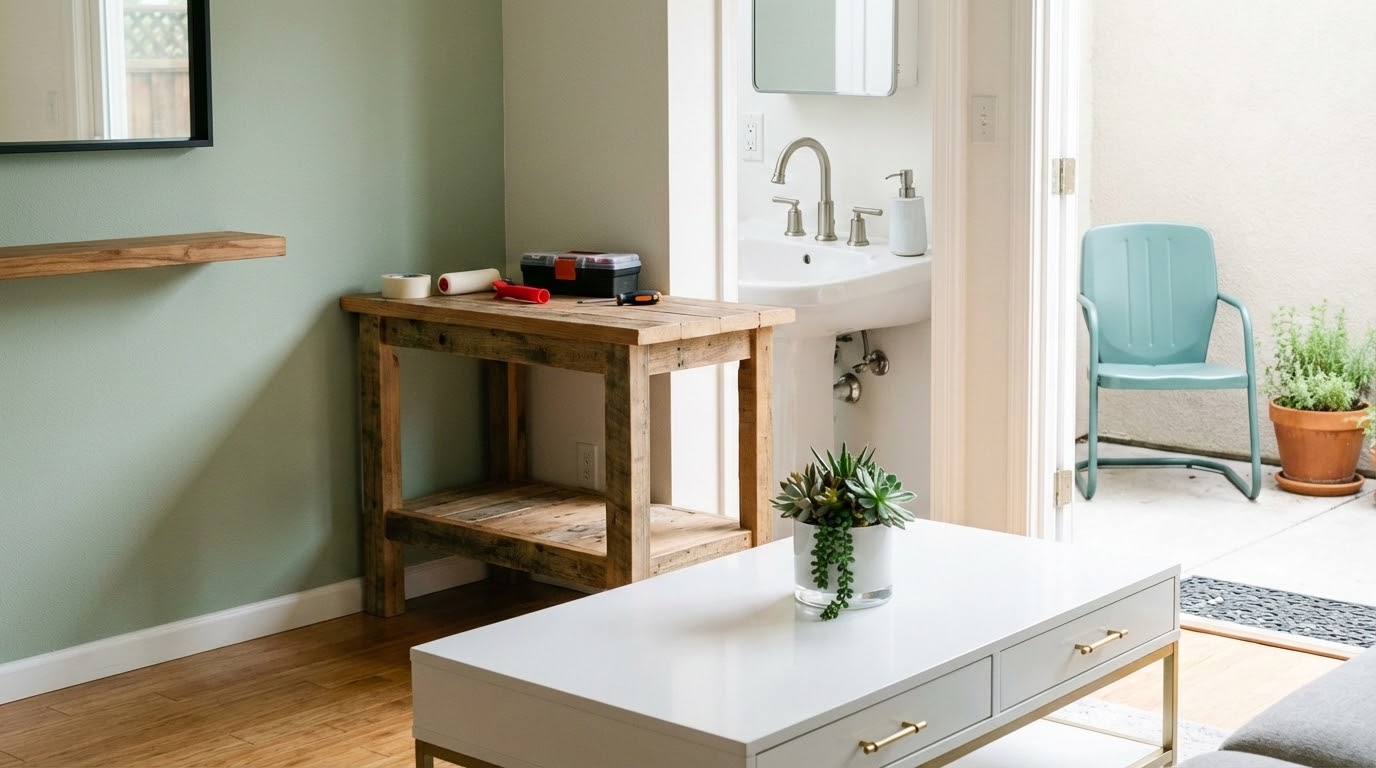
For homes lacking built-in storage, a compact console table creates a designated drop-zone place. Wall-mounted shelves above maximize vertical space for everyday items. These organizational solutions keep your entry clutter-free and functional.
Complete the refresh with a new welcome mat and seasonal decorations. Your upgraded front door now makes a memorable first impression. All these improvements typically stay under $100 when planned strategically.
Creative Kitchen Upgrades on a Budget
Your kitchen serves as the heart of your home, and refreshing its style doesn’t require a full-scale renovation. Strategic improvements can transform the entire space while staying within budget constraints. These enhancements deliver maximum visual impact for minimal investment.
Installing a new backsplash creates instant drama and protects walls from cooking splatters. Choose tile with clean lines and solid colors for smaller kitchens. This approach makes the space look uncluttered and more spacious.
Replace your kitchen faucet for an immediate style boost and improved functionality. Ensure the new fixture matches your existing sink setup to avoid additional parts replacement. Modern options offer convenient features like pull-down sprays.
Updating cabinet hardware transforms your kitchen’s entire look. Swap dated knobs and pulls for contemporary finishes. This simple change modernizes your storage solutions instantly.
Refresh boring cabinets by replacing door inserts with decorative materials. Options include glass, metal grillwork, or stained wood panels. The process involves removing existing inserts and securing new ones with simple stops.
Staining cabinets provides a major facelift for your kitchen aesthetic. Proper preparation includes cleaning, stripping, and sanding surfaces. Seal with polyurethane to increase durability and maintain the fresh look.
These individual projects build upon each other to create a cohesive, updated kitchen. You can tackle them separately while steadily improving the heart of your home. Each enhancement contributes to an intentional, well-designed appearance.
Easy Bathroom Remodel Projects for a Fresh Look
Your bathroom offers some of the most rewarding opportunities for simple yet impactful updates. You don’t need to gut the entire room to achieve a fresh, updated look. Strategic changes to key fixtures create a dramatic difference for a fraction of full renovation costs.
Start by installing a new showerhead to transform your daily routine. Modern options provide multiple spray styles and can significantly cut water consumption. This upgrade delivers immediate aesthetic and practical benefits.
Consider adding a medicine cabinet for essential storage. A flush-mounted style installs directly on the wall above your sink in under an hour. This approach avoids cutting into drywall, saving both time and effort.
Updating the bathroom sink creates instant visual impact. Choose a style that balances aesthetics with your practical needs and the room’s layout. Matching the sink hardware with your new showerhead creates a cohesive, intentionally designed look.
You can complete these improvements individually, pacing them according to your budget and available time. Simple additions like new towel bars complete the refresh. Each small win contributes to a bathroom that feels entirely new.
Stylish Living Room Revamps with DIY Touches
Your living area serves as the central gathering spot where comfort meets style, offering numerous opportunities for affordable enhancements. Strategic updates to key elements can transform the entire room without major investments.
Begin with lighting improvements that set the perfect mood. Replace outdated fixtures with modern designs that complement your space. Installing dimmer switches gives you complete control over ambiance.
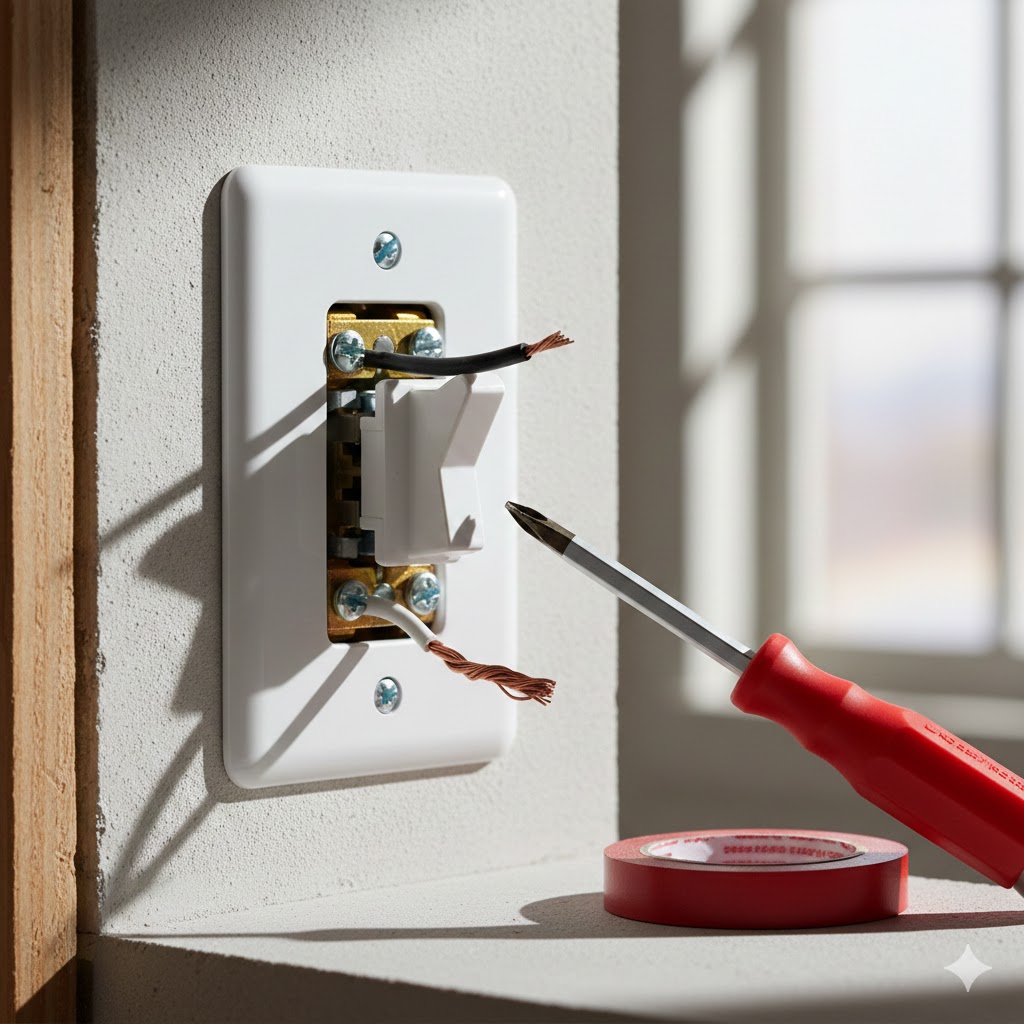
Rotary dimmers adjust light intensity with a simple turn. They work with various bulb types including dimmable LEDs. This creates restaurant-quality atmosphere right in your home.
Your fireplace presents another valuable upgrade opportunity. Adding glass doors prevents heated air from escaping up the chimney. This simple improvement boosts energy efficiency while enhancing safety.
Refresh dated mantels with deeper versions that showcase decorations. Ready-made options accept paint or molding for personal flair. A renewed fireplace becomes the room’s natural focal point.
Rearrange existing furniture to completely change the space‘s look and flow. This costs nothing but creates dramatic results. Define conversation areas with area rugs that tie groupings together.
These thoughtful enhancements create a comfortable, functional living environment. Each change reflects your personal style while staying within budget constraints.
Transforming the Bedroom with Simple DIY Ideas
Your bedroom should be a personal sanctuary where style meets relaxation through simple improvements. This space deserves special attention as it directly impacts your daily rest and well-being. Thoughtful enhancements create an environment that promotes better sleep while reflecting your personal taste.
Lighting upgrades make dramatic differences even without other changes. Quality fixtures provide better illumination and serve as statement pieces. Invest in bedroom lighting like you would furniture for long-lasting benefits and aesthetic appeal.
Consider a chandelier for rooms with high ceilings to create luxurious effects. The right lighting transforms the entire room’s atmosphere instantly. This single change elevates your sleeping area significantly.
A tufted headboard project adds custom, luxurious style for less than high-end furniture. This creative endeavor requires patience but delivers impressive results. The finished piece becomes a focal point that defines your bedroom’s character.
Simple paint updates refresh walls with calming colors that promote relaxation. Bold accent walls make personal style statements while keeping costs low. Fresh colors create updated spaces that feel entirely new.
Window treatments improve privacy and light control while contributing to design schemes. Options range from simple blinds to elegant curtains that enhance the room’s overall look. These practical additions complete the transformed space.
Organization projects like closet systems reduce clutter for more peaceful environments. Storage solutions create functional spaces dedicated to rest and rejuvenation. These improvements can be completed individually across multiple sessions, allowing gradual transformation without budget strain.
Revamping Walls: Paint, Wallpaper, and Beaded Board
Wall surfaces present some of the most impactful opportunities for home transformation. Simple improvements to your walls can completely change a room’s atmosphere with minimal investment.
Begin by patching imperfections for professional results. Fix nail holes and minor dings with surfacing compound. For larger holes, use adhesive patches and drywall compound.
Let the compound dry overnight for larger repairs. Sand smooth surfaces before applying fresh paint. This preparation ensures your final coat looks flawless.
Painting accent walls creates instant focal points without full-room commitment. Bold colors make dramatic statements. Neutral tones add sophisticated elegance.
Self-adhesive wallpaper revolutionizes wall treatments. Peel-and-stick options install like large stickers on primed walls. These removable choices work for renters and homeowners alike.
Modern wallpaper includes bold patterns and subtle textures. You can transform an entire room quickly. The application process requires minimal tools and experience.
Beaded board adds traditional charm to kitchens and bathrooms. Cut holes for outlets and wall protrusions during installation. Use waterproof sealant around sinks for durability.
Wider plank paneling offers contemporary interpretations. This maintains the warmth of traditional treatments. The texture creates visual interest in any space.
These wall improvements range from quick touch-ups to complete transformations. Each option delivers dramatic results that refresh your living environment.
Outdoor DIY Projects to Enhance Your Garden and Patio
Creating inviting outdoor areas can significantly enhance how you experience and enjoy your home. Your garden and patio become natural extensions of your living space with thoughtful improvements. These transformations create valuable areas for relaxation and entertainment.
Building a simple patio defines functional outdoor floors for seating areas. Flagstone or cement pavers create attractive surfaces without mortar requirements. This approach makes the installation accessible for various skill levels.
Weather-resistant string lights transform evening spaces into magical retreats. Proper mounting using screw eyes and carabiners ensures lights stay secure through seasons. This method provides reliable illumination for your outdoor living areas.
Window boxes bring gardening opportunities to any home regardless of yard size. Filled with vibrant flowers, they create beautiful views from both inside and outside. These charming additions infuse windows with bursts of color and life.
Adding potted plants throughout your garden introduces texture and seasonal flexibility. You can rearrange displays to refresh the space regularly. Strategic placement creates visual interest across your outdoor environment.
Creating cozy nooks with benches under trees provides peaceful places to unwind. These seating areas maximize your enjoyment of the landscape. Thoughtful placement turns unused corners into favorite retreats.
These outdoor improvements work together to transform basic yards. Your property gains functional, beautiful extensions where people naturally gather. Most enhancements require basic tools and can be completed efficiently.
Installing Molding and Ceiling Accents for Added Elegance
The often-overlooked areas where walls meet ceilings present prime opportunities for elegant upgrades. Crown molding bridges this junction, creating seamless transitions that draw the eye upward. This simple addition makes any room feel taller and more finished.
Frame molding adds depth and dimension to plain wall surfaces. It creates elegant backdrops for artwork while mimicking expensive custom millwork. You can achieve picture frame effects or modern grid patterns with basic wood trim.
Ceiling medallions introduce decorative focal points around light fixtures. Available in various styles, they add architectural flair to overhead spaces. This attention to ceiling details completes the room’s overall design scheme.
Begin with one accent wall using a level and trim boards for precise installation. Each step builds skills for more ambitious design projects. Painting molding in contrasting colors maximizes visual impact for a professional finish.
Weekend DIY Projects: Quick Flooring and Door Upgrades
Updating flooring materials and interior doors can completely redefine how your living areas function and feel. These improvements deliver high-impact transformations without professional installation requirements. The right choices change how rooms look and operate daily.
Quick flooring options like loose-lay sheet vinyl provide fresh looks without extensive preparation. Cut materials to the correct size and place them directly over existing surfaces. This approach creates a professional finish without adhesives or complex installation processes.
Interior doors often get overlooked but significantly alter spaces. Upgrade from hollow-core to solid-core versions for better sound dampening. You can install new sliding barn doors that add farmhouse style while providing privacy when needed.
Antique or vintage doors create grand statements throughout your house. Architectural salvage centers offer unique finds that elevate spaces beyond standard appearances. These character-filled partitions become focal points in any room.
Adding stair runners brings warmth and prevents slipping while introducing pattern. Choose washable options for high-traffic areas to ensure durability. Proper planning makes these diy tasks achievable within a reasonable time frame.
Thoughtful material selection ensures your upgrades remain practical for years. Each improvement contributes to a more comfortable, functional living environment. These diy approaches transform spaces significantly while staying budget-friendly.
Maximizing Storage with DIY Shelving and Drop-Zone Ideas
Effective organization begins with strategic storage that maximizes every inch of your available space. Smart solutions transform chaotic areas into functional zones that simplify daily life. These approaches work in any room regardless of your home’s layout or square footage.
Ready-to-assemble shelving kits provide instant storage using basic materials that require minimal tools. You can create bookcases and cabinets in single sessions. The assembly process builds confidence while delivering practical results.
Combining open shelving with closed cabinet storage creates balanced systems. Display attractive items on open shelves while concealing everyday necessities. This approach maintains both aesthetics and function throughout your living areas.
Strategic furniture selection addresses spaces lacking built-in storage. Console tables with lower shelves serve as perfect drop-zone stations. These pieces keep entryways organized without sacrificing style.
Wall-mounted shelves maximize vertical space utilization, especially important in compact homes. They create designated spots for keys, bags, and mail. This simple thing prevents clutter from spreading throughout your house.
These storage ideas transform how you interact with your living environment. Each solution addresses specific organizational challenges while staying within budget constraints. The right approach makes any space more efficient and enjoyable.
Get Inspired by Creative DIY Projects for Every Room
Seeing what other homeowners have accomplished provides a powerful starting point for your own creative journey. These successful transformations demonstrate what’s achievable with determination and basic skills. They show how imagination can overcome budget limitations.
Creative projects like gingham painted walls make bold design statements. They transform ordinary rooms into memorable spaces reflecting personal style. This approach shows how paint techniques create dramatic differences.
Budget-friendly solutions prove impressive results don’t require expensive materials. Strategic shopping and easy diy skills create high-end looks for less. Double barn doors showcase this principle beautifully.
Simple clever ideas solve practical problems while making big differences in daily life. Placing rocks in boot trays handles drainage and hides salt stains effectively. These small innovations demonstrate thoughtful design.
Wood countertop installations add functional surfaces to utilitarian spaces. They work around laundry sinks and appliances for minimal investment. Shiplap installations introduce farmhouse charm using affordable MDF alternatives.
Repurposing thrift store finds creates unique pieces within budget constraints. Reupholstered stools or refinished furniture add character throughout your home. These creative examples span skill levels from beginner to advanced.
They prove inspiring projects exist regardless of your experience. Practical tips help you approach kitchen cabinets or other challenges confidently. Each successful easy diy endeavor builds skills for future improvements.
Get Started with Weekend DIY Projects
Beginning your home transformation journey requires a simple shift in perspective rather than dramatic changes. You don’t need to tackle everything at once to make big improvements. Start by selecting one small task from your list that feels manageable.
This approach prevents feeling overwhelmed and sets you up for success. Completing that first easy diy task builds confidence for the next one. Each small win motivates you to continue making progress.
Creating a home you love happens through steady accumulation of upgrades over time. You work with your available resources and schedule. This method fits naturally into a busy life without major disruption.
Even minor improvements make a big difference in how your space looks and feels. Touching up paint or organizing a closet contributes to a more peaceful environment. The key is realistic planning and giving yourself permission to work at your own pace.
Remember that consistent, small actions lead to significant transformation. Your home evolves into a more inviting space week by week. You build skills and create lasting value through this practical process.
Conclusion
Your home’s true potential emerges through thoughtful, incremental improvements. These affordable weekend projects demonstrate that significant value addition doesn’t require massive budgets or professional contractors.
Each upgrade offers practical ways to enhance your living space while staying under $100. From front door refreshes to outdoor enhancements, the covered projects address every area of your home.
The difference between a house and a home often comes down to personal touches. Starting with proper planning and gathering necessary materials ensures successful outcomes that boost both property value and personal satisfaction.
Whether you tackle one improvement or work through multiple upgrades, each contribution creates a more comfortable, functional environment. Small investments of time and money create significant transformations when applied thoughtfully.
Remember that home improvement is an ongoing journey. There’s no pressure to complete everything immediately. The process itself offers opportunities for learning, creativity, and accomplishment that make your space uniquely yours.
FAQ
What are the most impactful budget-friendly upgrades for my front door?
A fresh coat of paint in a bold color and installing new hardware, like a modern handle and knocker, make a big difference. Adding a stylish light fixture and potted plants completes the look for under 0.
How can I update my kitchen cabinets without a full remodel?
Painting cabinets is a cost-effective way to transform the space. Replacing old hardware with new knobs and pulls adds a fresh finish. For a more custom look, consider adding trim or beadboard panels to the cabinet doors.
What is the best way to revamp a bathroom on a tight budget?
Focus on small changes that have a big visual impact. Install a new mirror, update the vanity light, and replace the faucet. Regrouting tile and adding new bath accessories can also make the room feel clean and new.
Can I install wall molding myself over a weekend?
Yes, adding chair rail or picture frame molding is a manageable weekend project. Pre-made kits are available, and with basic tools like a miter saw and level, you can create an elegant accent wall that adds character to any room.
What are some easy DIY storage solutions for a small space?
Building floating shelves is a great way to add storage without taking up floor space. Creating a drop-zone with hooks and a small bench near the entryway helps organize items like coats and bags. Utilizing vertical space is key.
How do I choose the right paint finish for different rooms?
Use a satin or semi-gloss finish for kitchens and bathrooms because they are easier to clean. For living rooms and bedrooms, an eggshell or matte finish provides a soft, elegant look. Always use a primer for the best results.